Featured
Table of Contents
Exercising mindfulness permits people to observe their ideas and bodily experiences without judgment. Somatic therapy begins with creating an eager understanding of and befriending bodily feelings. This may include noticing points like stress patterns, impulses, physical actions, quality of breath, heart rate, and neutral or favorable experiences in the body.
3. Discovering to ground oneself in today moment is important. This typically involves exercises that involve the detects, such as really feeling one's feet on the flooring or focusing on sluggish, deep breaths. These methods assist to neutralize the dissociation and fear frequently experienced by trauma survivors. 4. Deliberate activities and breath workouts are used to release stress and kept trauma from the body.
Some somatic strategies incorporate restorative touch, such as coregulating touch, craniosacral treatment or Neuro Affective touch. These strategies can aid fix attachment wounds and foster a sense of safety and security and link.
Usually, survivors of terrible experiences are very tough on themselves, battling with perfectionism, a focus on success or pleasing others at their own expenditure. Along with your somatic techniques and structure body recognition, self-compassion is a parallel process necessary to deeply healing from injury. Identify that problems are regular and that every tiny action forward is an accomplishment.
Red Flags That Your Body Is Ready For Trauma Therapy
Book a session with among our trained somatic therapists and begin your trip to recuperation. Somatic therapy provides effective methods for managing sensory overload, particularly for those with autism and ADHD. Find out more in this in-depth post on sensory overload and somatic therapy. Discover the link between dental health and emotional wellness.
Nerves law describes the equilibrium in between the considerate, "go" component of the nerves with the parasympathetic, "remainder and bring back" worried system. When you're managed, you will certainly feel calm and sharp at the very same time. As you come to be a lot more in harmony with your bodily sensations and experiences, you begin to uncover your most genuine expression of self and less of your "survival-based" self.
Beginning from your toes, slowly relocate your focus up with your body. Notice any kind of places in your body that really feel neutral or great.
Addressing PTSD With Body-Based Approaches
Exhale slowly, permitting tension to launch with each breath. Step 4: Gentle Activity (10-15 mins) Stand or sit in a comfy position. Gradually move each component of your body, beginning with your fingers and toes. Take note of just how each movement really feels. If you encounter stress, carefully stretch or tremble that location.
Notice where you feel the feeling in your body. Place your hand on that area and infuse it. Enable the experience from the pleasant feeling to just exist. Appreciate it. Step 6: Mindful Walking (10-15 minutes) Take a sluggish walk, inside your home or outdoors. Leave your headphones and phone in your home.
My First Trauma Processing Session
Standard talk treatment has its location on the trip toward healing and wholeness. Somatic therapy is a lot more reliable and has lasting end results for treating trauma. Below's a contrast to aid you comprehend why somatic treatment might be an effective choice for your recovery trip: Somatic Treatment: Addresses the mind-body connection, concentrating on how trauma is kept in the body and just how physical sensations relate to psychological experiences.
Typical Talk Treatment: Largely focuses on spoken expression and cognitive processing of thoughts and feelings. It is thought about a top-down method concentrated mainly on just how the mind functions. One point we tell our customers is that if you might have already thought your way out of your injury, you would certainly have.
Building Safety in Your Own Environment
Somatic Treatment: Urges energetic involvement and body recognition throughout the process, encouraging customers to get in touch with their body's wisdom. A tell-trained somatic specialist pays attention to the client's nerve system feedbacks and acutely observes a client's body movement in the form of gesture, breathing, eye contact, existence vs. dissociation, tension patterns in the body and a lot more.
Typical Talk Treatment: Mostly involves spoken engagement, which might be challenging for those that have a hard time to verbalize their experiences, can't remember what took place or simply don't want to discuss distressing events because it's too distressing. Somatic Treatment: Straight addresses physical symptoms of trauma, intending to recover equilibrium and circulation in the body.
Somatic therapy uses an extensive method to injury healing that honors the knowledge of the body. By dealing with both the physical and psychological aspects of trauma, it gives a course to deep, lasting recuperation. While the journey might be challenging at times, the potential for change and renewed health is enormous.
Taking the First Step To Somatic Therapy

Connect to a certified somatic specialist to begin your journey and be gentle with on your own as you browse this course of healing and self-discovery. For those seeking assistance on their healing trip, Somatic Treatment Partners is below to help. Click here to arrange a complimentary appointment with among our skilled service providers.
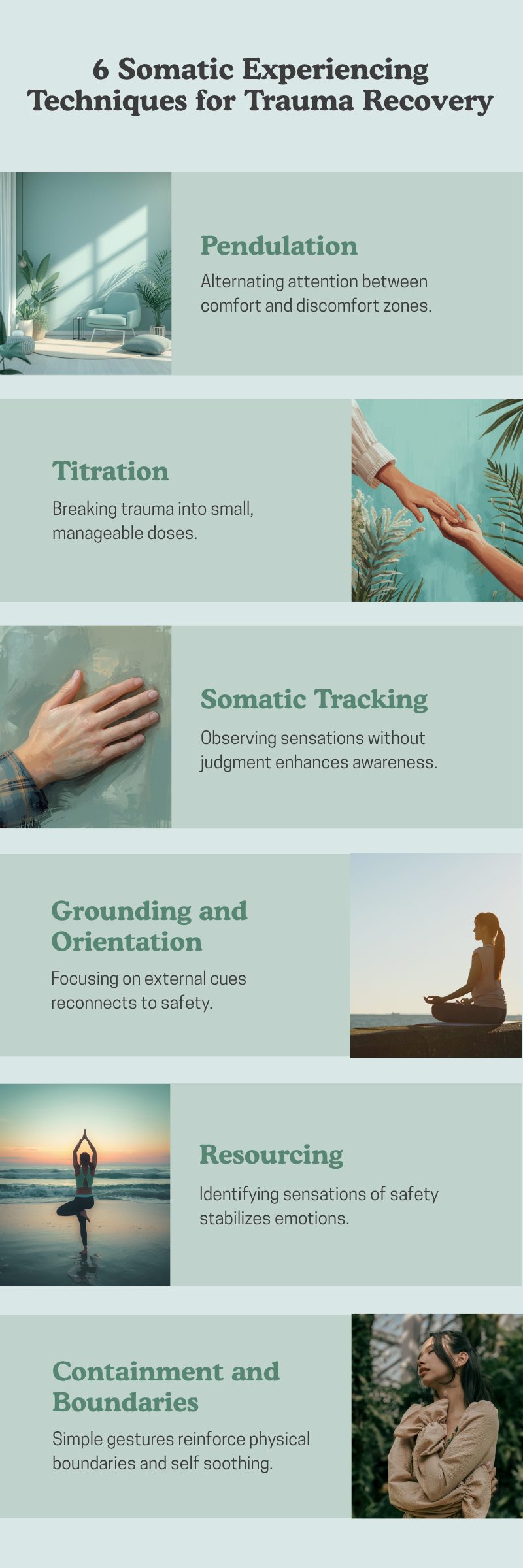
Somatic Experiencing (SE) intends to fix signs and symptoms of tension, shock, and trauma that accumulate in our bodies and nerves. Trauma, from an SE lens, is concentrated on just how it turns up in the nerves and how that dysregulation effects life. When we are stuck in patterns of fight, trip, or freeze, SE helps us launch, recuperate, and come to be much more resilient.
What Happens in a Body-Based Therapy Session
It is based upon a multidisciplinary intersection of physiology, psychology, ethology, biology, neuroscience, native healing techniques, and clinical biophysics and has actually been clinically gotten more than four years. It is the life's work of Dr. Peter A. Levine. The SE technique launches distressing shock, which is key to changing patterns that get stuck and influence people's every day lives.

Latest Posts
Creating Grounding First
Anchoring practices to increase safety
Addressing Racism and Systemic Trauma